Sand to Snow

I only went out for a walk
And finally concluded to stay out till sundown
For going out I found
Was really going in

-John Muir

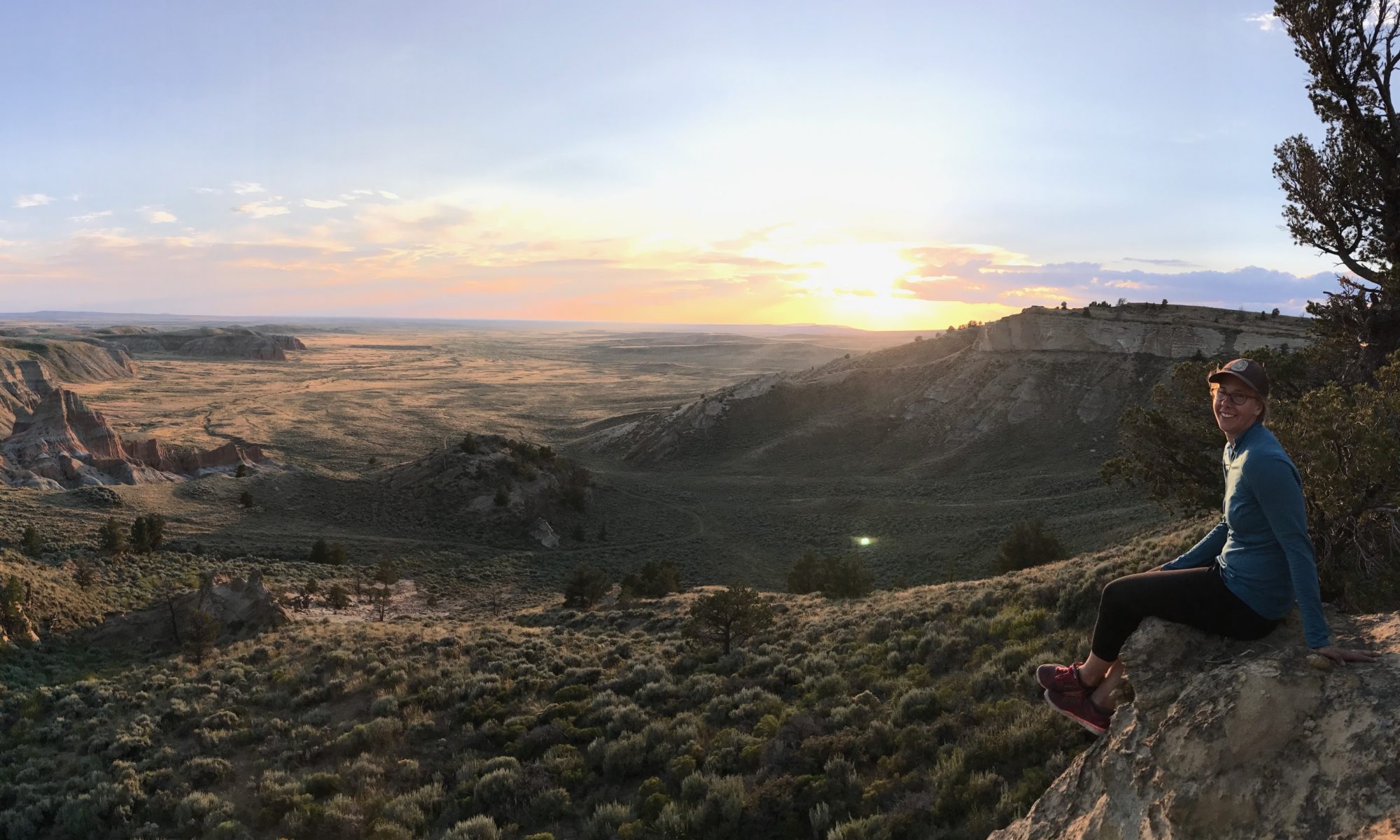
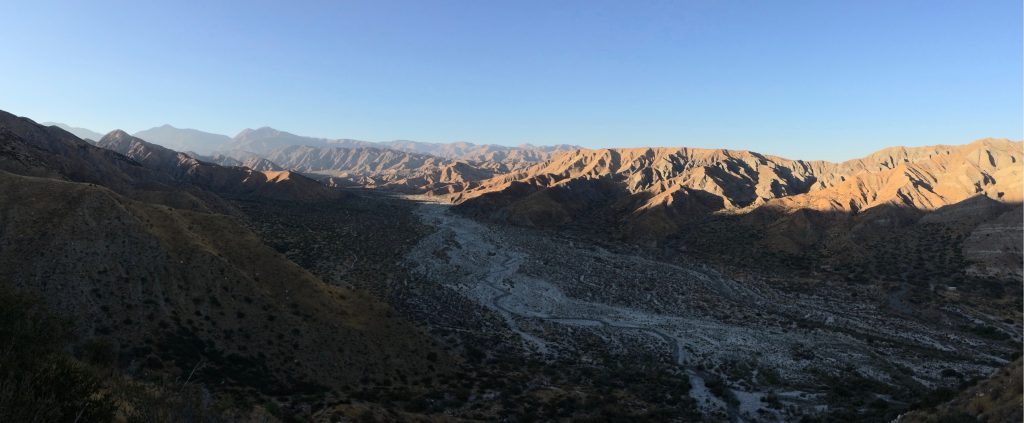
The Sand to Snow Monument was designated in February 2016 as part of a trio of Monuments protecting the California Mojave Desert: Mojave Trails, Castle Mountain, and Sand to Snow. Monument designation for Sand to Snow protected a critical corridor connecting San Gorgonio Wilderness and Mojave Desert. The huge range of elevations, spanning desert floor to 11,000-foot summit of San Gorgonio Mountain … Read the rest
Mojave Trails

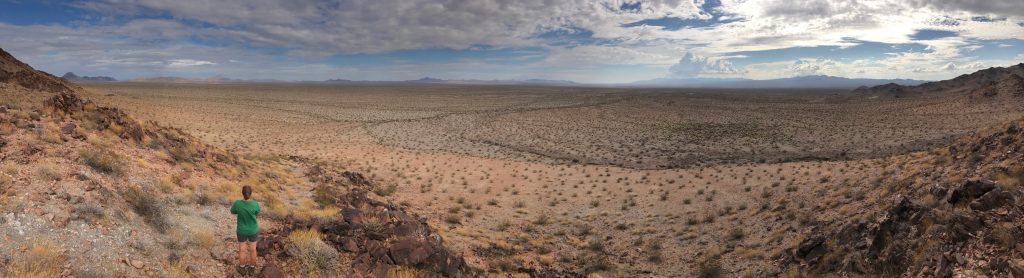
The Mojave Trails area of southern California is a stunning mosaic of rugged mountain ranges, ancient lava flows, and spectacular sand dunes.  It is a landscape defined by scarcity and shaped by travel .  – Presidential Proclamation (February 12, 2016)


From one desert to the next. After leaving the Sonoran Desert we beelined for the Mojave Desert. The Mojave Desert is an arid 25,000 square-mile area that is located in the transition between the hot Sonoran Desert and the Great Basin landscape. The Mojave Trails National Monument … Read the rest

Ironwood Forest

Strange and inscrutable
The desert lies
Austere its every mood;
Yet peace and beauty
Here abound
In solemn quietude.
-F.J. Worrall, Desert, March 1973

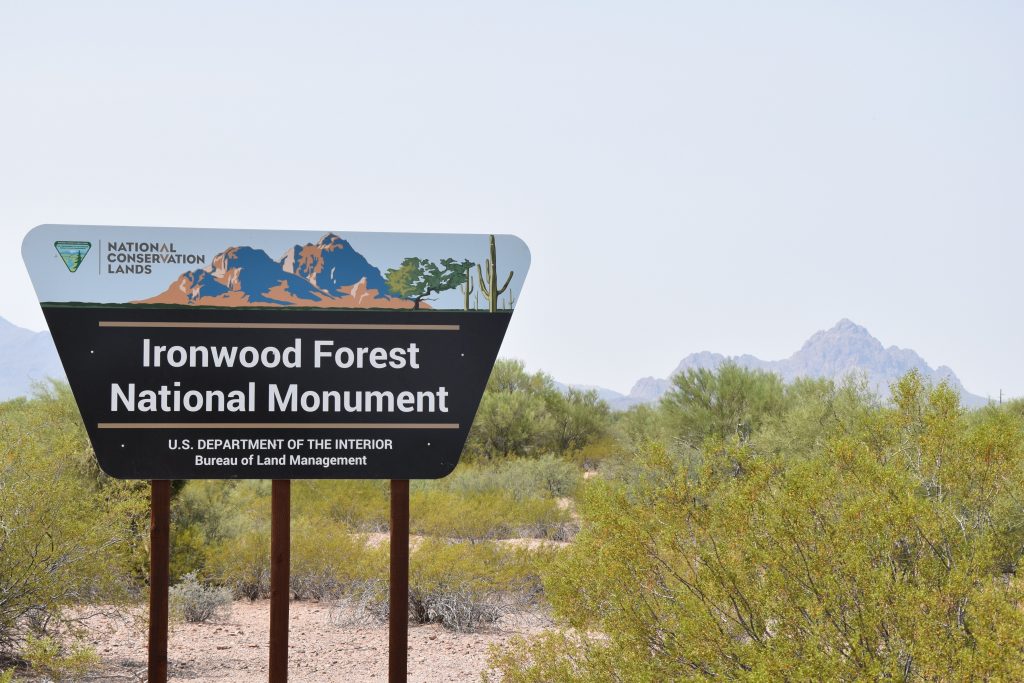
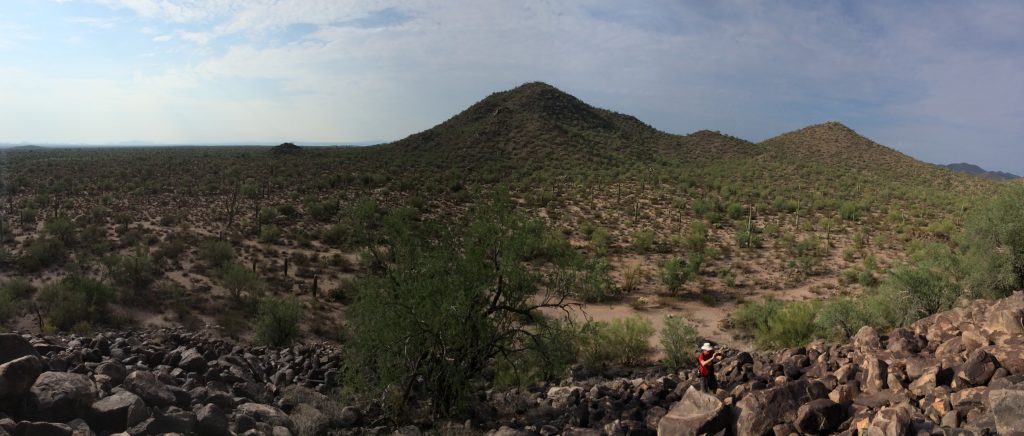
The monument presents a quintessential view of the Sonoran Desert with ancient legume and cactus forests. The geologic and topographic variability of the monument contributes to the area’s high biological diversity. Ironwoods, which can live in excess of 800 years, generate a chain of influences on associated understory plants, affecting their dispersal, germination, establishment, and rates of growth. – Presidential Proclamation (June 9, 2000).Read the rest

Sonoran Desert National Monument


The Sonoran Desert National Monument is a magnificent example of untrammeled Sonoran desert landscape. The area encompasses a functioning desert ecosystem with an extraordinary array of biological, scientific, and historic resources. The most biologically diverse of the North American deserts, the monument consists of distinct mountain ranges separated by wide valleys, and includes large saguaro cactus forest communities that provide excellent habitat for a wide range of wildlife species.  – Presidential Proclamation (January 17, 2001)

The Sonoran Desert National Monument protects 487,000 acres of the unique Sonoran … Read the rest

Organ Mountains-Desert Peaks

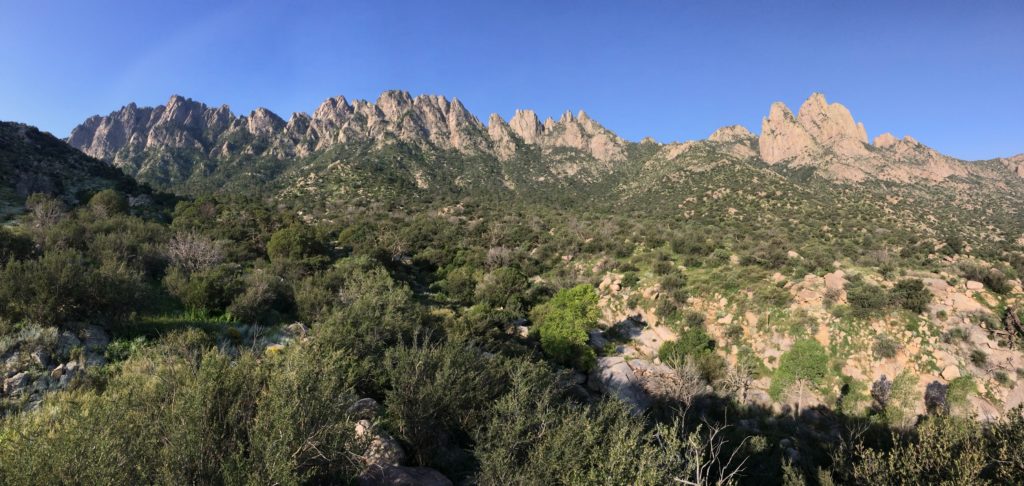
The Organ Mountains Desert Peaks National Monument is comprised of four different areas that surround Las Cruces, NM. There’s the iconic Organ Mountains to the east, the Desert Peaks to the northwest, the Doña Ana Mountains to the north and the Potrillo Mountains to the southwest. Each of the four areas is a little different, preserving different aspects of the what makes OMDP so special: winding canyons, springs, rock cliffs and outcroppings, undisturbed cinder cones, archeological sites, extinct volcanoes, desert grasslands, lava fields and more.

Our first morning … Read the rest

Rio Grande del Norte: Two rivers run through it

“Rio Grande del Norte is one of the most enchanting parts of our Land of Enchantment. Our communities welcome this monument designation because it ensures that our irreplaceable natural heritage will be permanently protected for the well-being of our culture, local economy, and future generations.”

-Joe Maestas, former mayor of Espanola, New Mexico

After driving past the Sangre de Cristo Mountains and through Colorado’s oldest town, San Luis, we bumped just over the New Mexico border into Cerro, a tiny town on the edge of the Rio Grande … Read the rest

Canyons of the Ancients

Through the strength of the spirits, our ancestors built these dwellings here. That’s what makes them so significant. We want to encourage others to preserve these dwellings for future generations to come and observe because our cultural and traditional ways bring the soul nourishment. – Ernest M. Vallo Sr., Eagle Clan, Pueblo of Acoma, 004

Canyons of the Ancients, comprised of just 176,056-acres, contains the highest density of known archeological sites in the country. I feel like we should just be able to leave it there.

Humans have … Read the rest

Bears Ears

Whose Ears? Bears Ears! Whose Land? Our Land!


We were finally headed to Utah, the epicenter of the public land-privatization movement and home to two of the hotspots of the administration’s monument “review.”

Our first stop in Utah was Salt Lake City (SLC) to attend the This Land is Our Land march during the Outdoor Retailor show. Like any good Portlander we will drive hundreds of miles for a good protest. This would be the last Outdoor Retailor held in SLC, as the show was moving to … Read the rest

Vermilion Cliffs

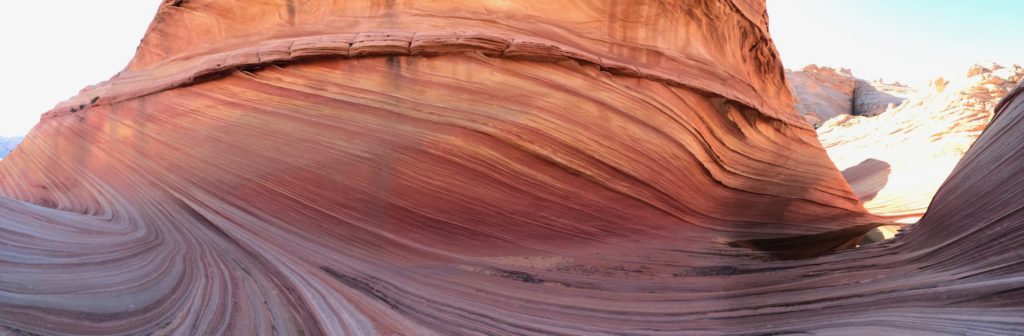
Protected in 2000, the monument houses a geologic wonderland of erosional formations—
sheer cliffs, slot canyons, vibrantly colored yellow-red-orange-purple sandstone dunes, rock outcroppings, mesas and tablelands. It’s a remote and seemingly unspoiled area, and home to many sensitive species of plants and animals. The monument is also home to over twenty species of raptors, and, after being reintroduced in 1996 by the Peregrine Fund, California Condors!

(As an aside, we learned that the condors (and other birds of prey) in the area still face challenges, including lead poisoning … Read the rest

Grand Canyon-Parashant

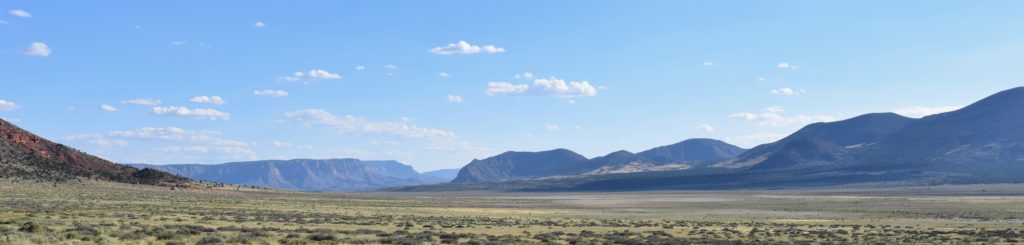
This monument is vast and magnificently diverse. It includes deep canyons, 30 degrees hotter than the forest, to 8,000’ Mount Trumball with beautiful ponderous pine. It’s also remote and undeveloped. There are no paved roads into the Monument and it would be simple to find singing solitude. The remoteness, vastness and huge landscape-level-protection is what makes this Monument so, well, monumental.

Our exploration Grand Canyon-Parashant began in Nevada, where we contemplated a western entrance to explore Pakoon Springs. A couple we meet in Gold Butte told us a Read the rest